• About
  • The Poetry of Protest

Show Me Progress

~ covering government and politics in Missouri – since 2007

Show Me Progress

Monthly Archives: June 2009

More on McCaskill's "Defense" of Coal-Dependent States

28 Sunday Jun 2009

Posted by Michael Bersin in Uncategorized

≈ 2 Comments

Tags

aces, Cap and Trade, Claire McCaskill, coal

Brad Johnson at Think Progress has a good post regarding Claire McCaskill’s tweet on the climate bill that I mentioned yesterday. While McCaskill claimed that cap and trade needed more work to defend Missouri families and businesses from extra costs imposed on coal dependent states, Brad points out that courtesy of congressmen in coal-dependent districts, like Rep. Rick Boucher (D-VA), the House bill already includes billions to make sure coal is protected for decades. I wonder what changes McCaskill would like to make to the bill in order to make ACES even more friendly to Big Coal.

Missouri currently gets a lot of of its electricity from coal-fired power plants (85%), but we get practically none of that coal from our own state. Over 90% of our coal is transported via rail from Wyoming. It’s not like tons of jobs in Missouri depend on coal mining. And it’s not like electricity is magically getting cheaper with coal – the PSC has approved rate hikes for Ameren in 2007 and again in 2008, for example.

According to a study from the NRDC, when you take in to account the incentives and resources provided for energy efficiency (which the CBO largely did not), in 2020 even coal dependent states like Missouri will have a lower average electric bill ($6.32 less per month per household) and lower transportation costs ($13.93 per month per household) than if we had done nothing but continue with the status quo of relying on coal.

So instead of relying on the status quo, why not invest in making sure that Missourians have the job-generating clean energy economy that we voted for in overwhelming numbers over the entire state last November?

McCaskill (D) and Bond (r) approval – May '09 and June '09 – SurveyUSA

28 Sunday Jun 2009

Posted by Michael Bersin in Uncategorized

≈ Leave a comment

Tags

Bond, McCaskill, missouri, SurveyUSA

On June  25th SurveyUSA released a 600 sample poll of adults taken in Missouri from June 12th through the 14th showing the approval numbers for Senators Claire McCaskill (D) and Kit Bond (r). The margin of error is 4.1%.

The poll was sponsored by KCTV in Kansas City.

Do you approve or disapprove of the job Claire McCaskill is doing as United States Senator? (June 2009)

All

52% – approve

41% – disapprove

6% – not sure

Democrats [41% of sample]

74% – approve

22% – disapprove

4% – not sure

republicans [27% of sample]

19% – approve

71% – disapprove

10% – not sure

Independents [25% of sample]

54% – approve

40% – disapprove

5% – not sure

Compared to April Claire McCaskill’s overall approval numbers have remained roughly the same. The approval numbers among Democrats, republicans, Independents are also similar to the April numbers.

Do you approve or disapprove of the job Claire McCaskill is doing as United States Senator? (June 2009)

Gender

Male [48% of sample]

55% – approve

42% – disapprove

3% – not sure

Female [52% of sample]

50% – approve

41% – disapprove

9% – not sure

The June numbers for Kit Bond:

Do you approve or disapprove of the job Kit Bond is doing as United States Senator? (June 2009)

All

55% – approve

35% – disapprove

10% – not sure

Democrats [41% of sample]

45% – approve

49% – disapprove

6% – not sure

republicans [27% of sample]

75% – approve

13% – disapprove

13% – not sure

Independents [25% of sample]

52% – approve

36% – disapprove

12% – not sure

SurveyUSA posted the results of a 600 sample poll taken from May 28th to the 29th showing the approval numbers for Senators Claire McCaskill (D) and Kit Bond (r). There is no release date. The margin of error is 4.1%. The poll was sponsored by KCTV in Kansas City.

Do you approve or disapprove of the job Claire McCaskill is doing as United States Senator? (May 2009)

All

49% – approve

43% – disapprove

8% – not sure

Democrats [42% of sample]

67% – approve

25% – disapprove

8% – not sure

republicans [32% of sample]

30% – approve

62% – disapprove

8% – not sure

Independents [25% of sample]

48% – approve

46% – disapprove

6% – not sure

Do you approve or disapprove of the job Kit Bond is doing as United States Senator? (May 2009)

All

50% – approve

41% – disapprove

10% – not sure

Democrats [42% of sample]

44% – approve

49% – disapprove

7% – not sure

republicans [32% of sample]

63% – approve

24% – disapprove

13% – not sure

Independents [21% of sample]

42% – approve

51% – disapprove

8% – not sure

Overall, when compared to the bracketing April and June polls respondents had a darker view of the universe. What is striking in this particular poll is the relatively smaller polarization (it’s still there, though) among self identified republican respondents when compared to the April and June polls.

Missouri State Representative Cynthia Davis (r): the Mozart of cluelessness

27 Saturday Jun 2009

Posted by Michael Bersin in Uncategorized

≈ Leave a comment

Tags

birther, Cynthia Davis, General Assembly, KMOX, McDonald's, missouri, Olberman

Our previous coverage of Missouri State Representative Cynthia “Are there no prisons? Are there no work houses?” Davis (r):

Cynthia Davis: Home cookin’

Why Does Cynthia “McCrazy” Davis Want to Raise My Taxes?

Cynthia Davis circling the wagons

Cynthia Davis (r – right wingnuttia): another republican member in the cult of the victim

Olbermann spanks Cynthia Davis

Cynthia the wicked witch

Our friends at Fired Up heard Representative Cynthia Davis in an interview on a KMOX Radio show yesterday and put the audio up on their site.

KMOX Radio interview of Representative Cynthia Davis (r) via Fired Up.

The transcript:

KMOX: Cynthia, welcome. You, uh, you have ascended to national prominence in the last week or so. Tell the people what’s been going on.

Missouri State Representative Cynthia Davis:  Well, I, I don’t know how to explain this except that there’s some people on the left who get offended when they hear right ideology expressed and, not to offend anybody, that really grieves me, I’m a nice person. And I love everybody on the left and the right. But, can’t we have an intelligent debate?

KMOX: Just the, uh, other day, well, a couple of times in the last week Keith Olbermann has mentioned your name and we’ve got just a little snippet. Can we play that very quickly, Cynthia?

Representative  Davis: If you need to, go ahead.

KMOX: Here’s what Keith Olbermann, that miserable man, had to say…

…Audio of Keith Olbermann: …Cynthia Davis who represents the 19th District in Missouri’s State House of Representatives. The gold that is found off the beaten path. Representative Davis provides a few commentaries to a news release about the state’s summer food program which keeps feeding disadvantaged kids even while school is out. In short, Representative Davis does not get it.

She writes, “Who’s buying dinner? Who is getting paid to serve the meal? Churches and other non-profits can do this at no cost to the taxpayer if it is warranted. Bigger governmental programs take away our connectedness to the human family, our brotherhood and our need for one another. Anyone under eighteen can be eligible? Can’t they get a job during the summer by the time they are sixteen? Hunger can be a positive motivator. What is wrong with the idea of getting a job so you can get better meals? Tip: if you work for McDonald’s, they will feed you for free during your break… [original material cut]

Timeout, here’s the portion of what Keith Olbermann said which was cut in the audio played by KMOX:

“….’It really is all about increasing government spending, which means an increase in taxes for us to buy more free lunches and breakfasts.’

One in five kids in Missouri is already motivated by hunger Ms. Davis. And last year, because the meals are offered at churches, the nine and a half million dollars of federal money spent produced three million seven hundred thousands of meals at a cost of about two and a half bucks each.

It is embarrassing enough that Cynthia ‘Let them eat McDonald’s’ Davis is a public servant paid by tax dollars, but she’s also the chairwoman of the Missouri House Special Standing Committee on Children and Families. It would seem that her advocacy of hunger would disqualify her from that job and that we’d be better off if she was working at a McDonald’s. Although clearly she has used and is using hunger as a positive motivator because she seems to have been starving her brain of the recommended daily dosage of intelligence and humanity and oxygen…”

The KMOX interview transcript continues:

…Missouri State Representative Cynthia “Are there no prisons? Are there no work houses?” Davis, today’s Worst Person in the World…

KMOX: Now Michael, we’ve had in this studio, we’ve had Albert Pujols, the greatest baseball player in America today. We’ve, we’ve talked to Karl Rove. We’ve talked to people with the Obama campaign. We’ve had congressman, U.S. Senators, any manner of people, but we have never had in this studio [laughter] [two voices] the worst person in the world. Cynthia, your reaction to Keith Olbermann.

Representative  Davis:  Well, I, all I have to say is that doesn’t sound like a very nice thing for him to say. [laugh]

KMOX: Indeed. And you actually put out a newsletter, uh, very recently, where you outlined your response to this in some detail. I thought it was particularly good. Uh, share some of the thoughts that were contained in that newsletter.

Representative  Davis:  Well, I’m all about strengthening families and empowering parents. And it’s not, the question is not what shall we feed children, it’s who should feed the children and how shall they be fed. So, I mean, I’m all about what we can do to adopt public policies that make sense and that are gonna strengthen the families. And I don’t see that growing government bigger is going to solve this problem.

KMOX: But, Sen…, Representative, you can understand how people would interpret, when you say that hunger would be a good motivator and why are we buying lunches for these people in the summertime? These are people who don’t have access to food normally. You would understand how people might think, hey, that’s a little hypocritical from a person who’s talking about family values.

Representative  Davis:  You’re wondering how I can understand how somebody on the left who makes his living from mocking Republicans would want to take an opportunity to distort this? And put my comments out of context. Because it, I mean, think about your own life. Uh, were you ever a sixteen year old boy once and did it ever occur to you maybe you’d like to [crosstalk] be employed?

KMOX: In fact, eighteen years ago today [laughter][voice: “Exactly.”] he was a sixteen year old boy.

Representative  Davis:  And that’s the American wa…, and that, that comment was only made questioning why it goes up to such a high level when people by then ought to start assuming a little bit of personal responsibility. And you know the plight of those in poverty is very tragic and it does behoove us, all of us, everywhere, in every sector to ask what can we do that will strengthen the family? I happen to think that growing government bigger and using poverty as an excuse to grow government bigger and further intrude into families is not the right answer.

KMOX: Well there is Representative Davis…[apparent audio edit]

…KMOX: So we’re visiting with Representative Cynthia Davis. She’s had quite a week in the, uh, national press
with Keith Olbermann. So here’s your opportunity, if you had Keith Olbermann sitting here, what would you want to say to him?

Representative  Davis:  Well, the first thing I would say is, he does not understand who he’s even talking to. Because I am the one who cares about family values and compassion and doing what we need to do to make the community better, not to grow big government. So, I am a mother, of seven children. I know, I’ve lived with poverty, I’ve lived, um, in, through everything we’re talking about. I’ve been in the trenches. I’ve been there, done that. And so I come to this debate from first hand personal experience. And I’m a huge believer in education. And what I’ve done is I actually went to the WIC program last summer and volunteered to teach a cooking class. So that, it’s all about empowering parents. Now maybe Keith Olbermann doesn’t understand what it’s like to be father of seven. Maybe he has never lived with poverty, and maybe he’s never had to deal with some of the stresses that I’ve lived through. But, you know what? He, maybe he should [laugh] do a little research before he opens his mouth.

KMOX: She is the mother of seven. She’s also a four term state representative from St. Charles County, Missouri, in the O’Fallon area. Many of you in our listening audience may very well be represented in Jefferson City by Cynthia Davis. Uh, your term limits, uh, we have an eight year term limit in Missouri, that was passed by the voters back in nineteen ninety-two. Uh, your term limits come to an end, uh, next November of two thousand ten. You can’t run for reelection. Are you, do you have political aspirations beyond your current service?

Representative  Davis:  Well I, before I was a state representative I was a city alderman. And there in comes some of my champi[on]ing values of, of local government. And so if you combine local plus state it does add up to fifteen years. I’m grateful for every day. I love taking care of people. And it’s a calling. It is take, it is what we have to do to make the community better. And going back to this poverty issue, that’s why I feel so convinced that local government has the answers to our problems, not bigger government.

KMOX: And, uh, so you where a member, you were an alderman in, uh, O’Fallon, you’ve been a state representative. There’s been some talk, uh, I’ve heard out there, that you were looking at perhaps a statewide office. Is that’s something that’s in the offing for Cynthia Davis?

Representative  Davis:  Well, you never know. All I know is I bought myself a pair of cowboy boots and I’m learning how to say Missour-ah.

KMOX:  [laughter] Well [laughter], yeah, Missour-ah and Missouri. Well that’s exactly right. So, mother of seven. How old are your kids.

Representative  Davis: Well my oldest is twenty-seven and…

KMOX:  You gotta be kidding. [laughter from Representative Davis] You’ve got a twenty-seven year old?

Representative  Davis:  Yes I do and I’ve got, my youngest one is six. He was born my first session. I got to Jefferson City. He is what they call a campaign souvenir. [laughter]

KMOX:  Yeah, I think, I think that’s what I was in my house, too. But there was no campaigns going on. [laughter in background] Uh, well, that’s, that’s great and, uh, before you got into politics what did you, did you, did you work, what kind of profession did you have? What, what were you doing then?

Representative  Davis:  Well my husband and I own Back to Basics Christian bookstore in O’Fallon and we’ve run that for twenty years. And there is where I come up with my sympathy for the entrepreneur, for people in business. And for people who have to eke out a living during a harsh economy, especially when government is considering raising taxes on the business people.

KMOX:  And you, I guess, never in your wildest dreams, when you got elected to the Missouri General Assembly in… What’s your district? Seventeen?

Representative  Davis:  Nineteen.

KMOX:  Nineteenth Legislative District. You probably never imagined that your name, twice in one week, would be mentioned on national television on MSNBC by somebody like Keith Olbermann.

Representative  Davis:  Well I’m proud of the fact that we’re talking about personal responsibility. I’m proud that we’re talking about family values. And I’m proud that we get to talk about limited government. Those are all of our favorite subjects for the Republican Party. And I believe we’re the party that actually has better ideas. I believe we can solve our problems in a local manner and I’m real confident that if we can have a discussion based on logic, rather than sling, slinging insults we will achieve more progress. So, somebody actually called my house yesterday, and talk about how uncivil the, the left can be, he, and my daughter answered the phone and said I was not home. And he said, well, would you give your mom a message for me? Would you tell her, I, I, that, your mom, tell your mother that she’s an idiot. And so my daughter thanked him for his comments and then they said good bye. So, I mean, this is, I don’t like this childishness. I don’t like being mean spirited. I think we can talk about things logically and have a good, rigorous, intelligent debate.

KMOX:  Intelligent debate is extremely important. Term limits are in the news of late. Uh, they were passed by the voters in nineteen ninety-two. Over thirty states have adopted term limits. The Missouri  Republican Speaker of the House has said recently that he, uh, believes we might want to rethink term limits. You’re a term limited legislator. Do you have thought on term limits? Are you, are you for ’em. Do you think they ought to be revised? Do you think they ought to be abolished? What’s your feeling about term limits?

Representative  Davis:  I, if only we had inserted one word, consecutive, I think it could have been more livable because that breaks the power. If you take a, take a term out for two years. Even when I tell people in other states that I’m permanently stricken from ever running for this office again they think that’s a little harsh. Because what happens if you’re good? You, you have to do what you gotta do to try make the world a better place and I’m gonna find another way to make things better wherever I go.

KMOX:  Well Michael and I wish you well on that pursuit Cynthia Davis, State Representative Cynthia Davis, though she be stricken from office, she’s still gonna be a resident of our…

“…You’re wondering how I can understand how somebody on the left who makes his living from mocking Republicans would want to take an opportunity to distort this?…” Ah, the republican cult of the victim. Look, Representative Davis, it’s the world your republican party created, the rest of us only live in it.

“…And I’m a huge believer in education….” All together now: what kind of education?

“…Now maybe Keith Olbermann doesn’t understand what it’s like to be father of seven. Maybe he has never lived with poverty, and maybe he’s never had to deal with some of the stresses that I’ve lived through. But, you know what? He, maybe he should [laugh] do a little research before he opens his mouth…” Uh, Mr. Olbermann, I think she just threw down the gauntlet. Your response?

“…Well, you never know. All I know is I bought myself a pair of cowboy boots and I’m learning how to say Missour-ah…” Yep, that’ll go over really well in out state Missouri.

“…He is what they call a campaign souvenir. [laughter]…” Uh, that’s a little more information than I really wanted to know.

“…So, somebody actually called my house yesterday, and talk about how uncivil the, the left can be, he, and my daughter answered the phone and said I was not home. And he said, well, would you give your mom a message for me? Would you tell her,
I, I, that, your mom, tell your mother that she’s an idiot…”
Uh, did the caller actually identify himself as a foul mouthed vituperative blogger of the left? If not, how do you know he wasn’t a republican?

The interview took place on a show with John Hancock, a former Executive Director of the Missouri republican party, and Michael Kelly, an individual with extensive Democratic Party experience.  

Cynthia Davis: Home cookin'

27 Saturday Jun 2009

Posted by Michael Bersin in Uncategorized

≈ 3 Comments

Tags

Cynthia Davis, Keith Olbermann, missouri

On one of my trips to Jeff City this spring, I was talking to a small group of Democratic reps, and the subject of a recent dinner provided by lobbyists came up. I can’t remember now which rep it was who said that the food was good, and she’d have gone back for seconds on something, but she figured she’d leave it for Cynthia. Then they explained to me how Davis packs up what’s left on the tables at any Thursday evening meals and takes it home to feed her children.

Keith Olbermann found out about the ingenious way that Cynthia “let them eat McDonalds” Davis feeds her kids:

Olbermann is way harsh: he overlooks the fact that what Cynthia objects to is how free summer meals can break up families:

These are children who have parents already providing meals for their children.  This program could have an unintended consequence of diminishing parental involvement.  Why have meals at home with your loved ones if you can go to the government soup kitchen and get one for free?  This could have the effect of breaking apart more families.

What she gleans from the tables in the Capitol is quite different from those free summer meals. She’s going to take that home and serve it in her own kitchen at a family meal. They’ll say grace first and smile lovingly at each other as they eat the food provided by lobbyists.

See the difference, Keith? She’s not a thief; she’s more like a … forager. Sheesh, give her a break.

Next thing you know, he’ll be giving her trouble for being a “birther”. (We hope.)

It’s almost a shame Davis is termed out next year. It would be so satisfying, after all this hoopla, to see a Democrat beat her fanny in the 19th.

Missouri Fails Forbes' Green Test

27 Saturday Jun 2009

Posted by Michael Bersin in Uncategorized

≈ Leave a comment

Forbes has published a list of the “greenest” states.  Each state was ranked:

…in six equally weighted categories: carbon footprint, air quality, water quality, hazardous waste management, policy initiatives and energy consumption.

So how did our beloved state come out in the rankings?  Number 41!  Not dead last at least — that signal honor was reserved for West Virginia.  But keeping company with the ten worst states is cause enough for concern.

Perhaps we should keep this poor showing in mind when toting up the damage that the Missouri Republican ascendancy has managed to inflict on us over the past few years.  

Strengthening ACES in the Senate

27 Saturday Jun 2009

Posted by Michael Bersin in Uncategorized

≈ Leave a comment

No sooner than I finished that last post and checked my Twitter feed did I see how difficult it is going to be to keep ACES from being further watered down in the Senate, much less strengthened:

clairecmc I hope we can fix cap and trade so it doesn’t unfairly punish businesses and families in coal dependent states like Missouri.

about 2 hours ago from web

Well, ACES helps invest in increased energy efficiency and in clean and renewable energy generation. It helps Missouri become a less coal dependent state and creates jobs while doing it. And Missourians want this, voting by a supermajority for Prop C last year in the highest turnout election in ages. Listen to the voters, Claire.

Climate Bill Passes House

27 Saturday Jun 2009

Posted by Michael Bersin in Uncategorized

≈ Leave a comment

Last night, the House passed the landmark American Clean Energy and Security Act (commonly known as ACES.) Opinion by environmentalists is mixed (Devilstower and Darcy Burner have good takes on this) but on the plus side, it puts in place the first regulatory framework to curb greenhouse emissions in our nation’s history, and it puts a good deal of funding to make sure that low- and middle-income families are included in a green jobs revolution.

All of Missouri’s Democratic congressmen (Carnahan, Clay, Cleaver, and Skelton) voted “Yes” on ACES. Cleaver in particular came in for some praise from Green for All:

Through grassroots mobilization, partnering with a range of with diverse organizations, and the strong support of a few Congressional champions, we were able to secure these two crucial equity provisions in the bill:

1. $860 million allocated to the Green Jobs Act!

2. Local access to quality jobs, through a green construction careers-demonstration program.

Green For All is proud to have fought with our champions on the Hill, especially Representatives Rush, Cleaver and Luján, for these critical provisions.

We also thank the numerous civil rights, labor, environmental, social justice, faith, and community organizations who joined us in calling for a better, more equitable ACES.

Passing the House was a HUGE and victory for us, but our work is not yet done.

Two locally active organizations, the League of Conservation Voters and Repower Missouri, both were encouraged by the vote and hoped that it would strengthened in the Senate.

Today, the U.S. House of Representatives passed a historic comprehensive energy and climate bill, with a bi-partisan vote of 219-212.  This bill is a huge step towards creating a new clean energy economy with millions of jobs that will move America to energy independence and reduce the carbon pollution that causes global warming.

We are proud that Missouri’s own Representatives Russ Carnahan, Emanuel Cleaver, Ike Skelton and Lacy Clay voted to create jobs, move to clean energy, and reduce global warming pollution. Passing this bill in the House wasn’t easy; it took hard work and some tough compromises to get it done. Thanks to their votes, America is firmly on track to be a leader in the 21st century global economy.

Passing this legislation will help shift our country to a clean energy economy and create new jobs in manufacturing, labor and green technology. It will increase energy efficiency, help consumers save on energy bills, and protect lower-income families. And it will finally put our country on a course to limit the carbon pollution that causes global warming.

Now, the bill will move to the Senate, where it needs to be strengthened and delivered to the President’s desk.  With the help of our senators, we can deliver President Obama strong clean energy and climate legislation that will create clean energy jobs, reduce our dependence on dirty fuels and lead the world’s effort to slow down global warming.

Repower Missouri:

Maggie Fox, President and CEO of the Alliance for Climate Protection, today issued the following statement on the passage of the American Clean Energy and Security Act out of the House of Representatives:

“Today’s historic vote in the House of Representatives is a momentous victory for our nation and our planet as we seek to build a clean energy economy in the 21st century and enact bold solutions to the climate crisis. The Senate must move ahead quickly to join the House in passing climate and energy legislation that the President can sign into law – only then can we move forward with millions of clean energy jobs, end our reliance on foreign oil and speed America’s transition to clean, affordable energy.

“We want to thank those members of the House of Representatives who stepped up to make history and move our nation and the world forward. They truly do represent the best of what this nation can do when confronted with great challenges and the opportunity to lead.”

REPOWER MISSOURI

Household Savings for Missouri

Comprehensive climate and energy policy will save Missouri households $980 a year on average by 2030. (Union of Concerned Scientists, 2009)

Clean Energy Jobs for Missouri

Investing $1.3 billion in Missouri’s clean energy economy could create nearly 19,000 new jobs in the state.

(Center for American Progress, 2009)

Americans Are Ready for Clean Energy

— 78% of Americans want the U.S. to reduce its emissions of carbon dioxide that cause global warming.

— 65% of Americans believe efforts to reduce global warming will either help create new jobs or have no effect on jobs. (Pew Charitable Trusts, 2009)

Health and Human Services Secretary Kathleen Sebelius: media conference call on health care reform

26 Friday Jun 2009

Posted by Michael Bersin in Uncategorized

≈ 1 Comment

Tags

Health and Human Services, health care, Kathleen Sebelius, Obama administration, reform

Secretary of Health and Human Services Kathleen Sebelius held a conference call on health care reform for regional media early this afternoon. Part of the purpose of the conference call was to promote reports released by HHS on the status quo of health care in each of the fifty states. After her opening remarks Secretary Sebelius took questions from media in on the conference call.

Secretary of Health and Human Services Kathleen Sebelius:  Good afternoon everybody. And, um, I appreciate you joining us today. Um, as you know, here in Washington people are working hard to push forward health reform and we know that there’s some urgency about this from citizens across this country.

Um, since two thousand health insurance premiums have doubled and health care premiums are growing three times faster than wages. But unfortunately quality of care is going down as those costs continue to rise. So, even with, for people who have, uh, access to health care, uh, all it takes is a stroke of bad luck to become one of the nearly forty-six million uninsured or the millions who have health care and are having trouble affording it.

Today, uh, at the Department of Health and Human Services we’ve released fifty new reports on the health care status quo in every state around the country. The new reports are available on our web site, http://www.healthreform.gov. And they pretty clearly outline the challenges that we have. Um, the reports include statistics on the percentage of residents in each state without insurance, the increase in the costs of premiums, and the overall quality for health care in each state. And they use some of the most current data available.

Uh, unfortunately the reports are a clear demonstration that there are problems with health care in every state. Whether they’re rural, urban, East coast, West coast, it really doesn’t matter. The health crisis impacts all of America. The additional reports out today are from our Agency for Health Research and Quality. And frankly states get a pretty mixed review for the quality of care they provide.

Uh, these are more than just numbers and facts, more than statistics on a page. They represent real people and families in states across the country who are struggling. Uh, what we know is every day in America families are being crushed by the high cost of health care that threatens their financial stability, leaves them exposed to higher premiums and deductibles, and puts them at risk for possible loss of health insurance as employers struggle to provide adequate health coverage.

So now Americans are demanding reform that protects what works and fixes what’s broken. And in Congress, um, a number of members of the House and Senators from both sides of the aisle are working hard to make reform a reality. We were encouraged that just yesterday a bipartisan group of leading Senators, including  the top Democrat and the top Republican on the Finance Committee, Max Baucus and Chuck Grassley, recommitted to working together on health reform this year.

So I’m confident that we are gonna get a bill passed and to the President’s desk. And the statistics that we’re releasing today should help to inform people about the serious challenges that we face and why we can’t wait for reform to happen.

Um, again the reports are on our web site healthreform.gov.  And they are a state by state look at what’s going on in quality and cost. So with that I’d, I’d be willing to, um, answer some questions. I think we have about…

Media questions:

…Question: Hi  Secretary, uh, thank you very much for taking the call. Um, I am wondering what the chance are of getting a, um, public option through this year?

Secretary Sebelius: Well Jenna, as you know the President has made it pretty clear that, um, he actually believes in market strategies and feels very strongly that having a public option compete with private insurers is the best way to have cost containment. Um, I’m pleased that the House bill which has been drafted, and I testified to earlier this week, um, the outlines of the Senate bill from the Health Committee, both have public options. Uh, we haven’t seen the specific language from the Finance bill yet, but I, I think it’s clear that, um, with the bill coming forward the public option is definitely part of the strategy.

…Question: [garbled] Secretary, um, we’re, in Virginia particularly small businesses make up seventy-one per cent. And I’m wondering how the health care plan that’s being developed is going to help smaller businesses and people who work with them in developing a health care option for their employees?

Secretary Sebelius: [garbled] That’s a great question. Um, as you know, not only in Virginia, but in every state across the country small business owners are the majority of employers. And it’s the, um, kind of backbone of our economy. And frankly, in the current system they are the ones offering, I mean, often bearing the brunt of, um, the cost curve. Uh, they get squeezed out of the marketplace more quickly if one or two employees have some kind of pre-existing condition. They pay higher costs because they don’t have the volume to leverage, uh, big discounts. And, um, often they, they don’t get to keep or attract the best employees because employees follow health care. And while over close to sixty per cent of small business owners as recently as five years ago provided coverage, we’re now down to thirty-eight per cent. Um, so it’s, uh, they’re at a competitive disadvantage. So health reform I think offers a lot to small business owners. First of all it kind of pool, in the new health exchange, will give some, uh, affordable options, uh, for small business owners that they don’t have now, gives them choice. The elimination of pre-existing condition will mean that they can actually come into the marketplace without their costs, uh, skyrocketing. All of the proposals, and the President has made it very clear his proposal, um, includes some tax incentives for small business owners who offer insurance coverage. And I think that even if, um,  the kind of pay or play employer mandate ends up in either the House or Senate bill, it’s part of the House bill, but there is an exemption, uh, for small businesses. So I think there’s a, there’s a good deal of focus, um, of beneficial outcomes for small business owners. And at the end of the day costs have to go down for everybody, but I think it’s a, it’s a workforce issue that will make them more competitive with their, in this global marketplace.

…Question: In your report [garbled] you document, uh, the number of businesses that are dropping health insurance benefits. Uh, if there’s a public option won’t that cause more businesses to, to drop, uh, offer, offering health insurance benefits and just tell their employees to go the public option?

Secretary Sebelius: Well, Eric, the way that the public option is, is being crafted it really is available for, um, those who do not have coverage right now. And, um, I think there, there is concern about the so called dumping, but, uh, frankly the President has made it pretty clear that he really wants to encourage a system that builds on what we have. That if people have coverage that they like, that’s affordable, a relationship with a doctor that, um, is good for you and your family [garbled] want to keep it. So the, the exchange, the new marketplace is really for, uh, those Americans who have no insurance coverage at all or who are, um, un, underinsured at this point, uh, because of the cost prohibitive nature of the coverage.

…Question: Yes Secretary, is there any form of ranking here? How do we know how our states are comparing to other states, for example, in the number of uninsured, um, the costs of premiums etcetera?

Secretary Sebelius:  Um, at this point Mary Joe, there isn’t a, a, you know, comparison. These are
really state by state reports. So, there wasn’t an attempt to, um, either on the quality reports or the, uh, cost in coverage side to rank these, uh, in order of one to fifty. Uh, but really give a snapshot for citizens, business owners, policy makers in that state an idea of, of really what’s happening within the borders. Be a good math project for somebody to go through and, you know, calculate this, but, um, that wasn’t part of the, what we do here at the department.

…Question: Madame Secretary, there’s a lot of talk about bipartisanship. I’m just wondering, if the Democrats have the votes to pass what they want, why don’t you just do it? The Republicans have said that they want to kill this project, a lot of them have. Why don’t the Democrats pass what they think is the best proposal and to hell with bipartisan…, bipartisanship?

Secretary Sebelius: Well, I, I, I think, um, while the, the votes may be there because the majority is, is pretty hefty in the House, um, of Democratic support. The reality in the Senate is basically you need sixty votes, uh, in order to move procedurally to a vote of anything, so there’s more of a, a kind of procedural requirement for bipartisanship. But I think at the end of the day health care is probably the most personal issue to every American. It, it really, uh, affects businesses and governments and families. Um, and I would hope, and I think the President is very hopeful and keeps pushing for this, that this, uh, doesn’t break down along partisan lines, but it, it’s an American issue. It’s the one that we really have to figure out a strategy that’s uniquely American. We have a, uh, an insurance system right now that doesn’t look like any other country in the world. We want to build on what we have and fix what’s broken. But, um, I’m still hopeful that, uh, Republicans will be engaged and involved, as they are right now in the Senate Finance Committee. I mean, I think that sets a great example. I’m hopeful we’ll have some House Republicans who end up, uh, becoming part of this solution in moving forward on health reform. This isn’t really a Democratic issue and it shouldn’t be a Democratic bill. It should be a bill that really finds a solution to this challenge for all Americans.

…Question: Yes, Madame Secretary, you spoke about a number of, uh, countries, how we’re different than those, uh, countries. Yet many of these, uh, industrialized countries around the world do better with their health care plans than the United States. Which countries, uh, systems are you specifically looking at in developing a better system for the United States?

Secretary Sebelius: Um, I did not suggest that we were looking to other nations to develop a better system. I said I thought we needed kind of an American solution because our, our health system is different than most countries around the world. I do think we have a lot to learn from other countries about health outcomes and cost effective, uh, strategies that produce better outcomes. So, um, one of the efforts in health reform is really to help promote, incentivize higher quality care for each and every American. It exists in some pockets of the country. Uh, some systems work enormously well, with doctors and hospitals in a collaborative strategy. Others don’t work very well at all. And though we spend twice as much as any nation on Earth, and yet our health outcomes don’t, um, show it, don’t show those results. So I think we, we will continue to learn from what is cost effective and, more importantly, what’s effective for patients in terms of medical strategies and try to use Medicare and the payment system and the incentives we have here in the Department of Health and Human Services to, uh, improve the quality of care for everyone.

…Question: Yes, thank you Madame Secretary. One alternative to the public option that’s been proposed is regional cooperatives. Uh, isn’t that a little bit like putting all the sheep in separate pens to keep them from ganging up on the wolves?

Secretary Sebelius: [laughter] Um, well, I think the, uh, there was a discussion, I think early on in the Senate about, um, actually multiple cooperatives being one alternative, uh, to look at for competition. Uh, my understanding is that recently the, the CBO, the Congressional Budget Office has suggested that they don’t think that’s, um, either a feasible idea or an effective strategy, so I, I think that the conversation going on right now is, is a national, um, option. As you know the President and the administration very strongly support, um, not a cooperative strategy, but a, a true public option that would be a, um, a benefit program run by the government that can compete side by side with private insurers and help hold down costs and offer some choice to consumers.

…Question: Is making it mandatory for all Americans to purchase health insurance being seriously considered? If so, will there be a waiver for those whose religious beliefs preclude them from going to doctors or hospitals, or for individuals who believe in natural or holistic to health and are taking preventative measures such as healthy diet or regular exercise, making them less likely to need medical assistance than someone with risky behaviors?

Secretary Sebelius: Um, the, I, I think there is discussion in both the House and Senate, um, of some kind of an individual mandate. Um, it was part of the Massachusetts strategy when they passed their proposal. I know that there, um, in the House version of the bill is a specific exemption for, um, economic hardship for, uh, the ability of someone to opt out based on, um, the fact that they, whatever the price, they still can’t afford it. I have not seen the specific language, particularly about the religious issue I assume [garbled] Christian Science, Scientists and others who don’t access the traditional health care system. Um, but that’s a very good point. I, I don’t know if that language is in the bill. I, I can take a look at it, but I think that’s one we can share with the committee members….[end]
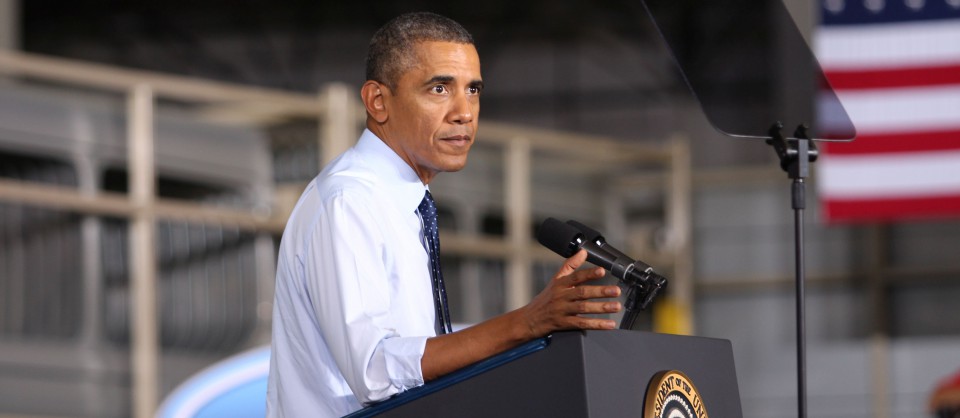
How to Break a Terrorist, Part One

26 Friday Jun 2009

Posted by Michael Bersin in Uncategorized

≈ Leave a comment

Tags

"How to Break a Terrorist", Matthew Alexander, missouri

Before the handshake was over, I sensed why Major Matthew Alexander would be an effective military interrogator. He’s serene. He had a firm handshake, a pleasant smile, and brown eyes that looked calmly into mine. He doesn’t pretend that he based interrogations on genuineness alone, but that trait was the bedrock on which his other techniques rested.

Before being shipped to Iraq as a military interrogator, he had been a criminal investigator with the Air Force. Because the Army was shorthanded on interrogators, he was sent to a six week course in interrogation and loaned to the Army, as part of an effort to track down Abu Musab al-Zarqawi, “the terrorist mastermind who allegedly personally beheaded Nicholas Berg, plotted the hotel bombings of 2005 in Amman, Jordan, and orchestrated numerous bombings of Shiite mosques.”

Alexander arrived in Iraq in 2006, charged specifically with gaining the intelligence necessary to track down al-Zarqawi. The point of his book, How to Break a Terrorist, is that he succeeded exactly because he built relationships and rapport with prisoners, because his behavior was legal, ethical, and non-coercive. He used a mixture of interrogation techniques that he had learned as a criminal investigator–for example, the one we’ve all seen on “Law and Order” and “The Closer” of separating suspects and offering a deal to the first one who agrees to cooperate–combined with techniques he learned in the interrogation course and with his understanding of Middle Eastern culture (knowledge he gained when he had been posted in Saudi Arabia).

I asked Major Alexander to give me an example of how he worked:

Alexander maintains that his treatment of prisoners is far more effective than, not to mention morally superior to, the torture that the Bush administration authorized. When I asked him how sincere was the apology he offered to his prisoner, he didn’t hesitate. “One hundred percent,” he said. He talked about the “horrific insensitivity” of Rumsfeld at the beginning of the war when Rummy dismissed the cruelty Shiites wreaked on Sunnis as just blowing off some steam.  Alexander truly felt his prisoner deserved an apology.

That sincerity didn’t mean, though, that he could be completely open with those he questioned. He said he had no qualms about lying to prisoners, adding that he kept that to a minimum, partly because getting caught in a lie destroys any trust that’s been built. But if a detainee said he was a married man with three children, Alexander would generally claim to be married and have children–even though he’s single. Such a lie would be part of building a relationship.

And he said that in Iraq, he lied more than he normally would have because he was working under time constraints that required him to obtain information as quickly as possible.

He insisted that, despite such lies, the apology he offered his prisoner was heartfelt. And, it was pragmatic, because finding common ground is more effective in interrogation work than torture is, both in the short term and the long term.

Short term, there’s no evidence, he says, that torture works faster. On the contrary, there is evidence that it slows down information gathering because it hardens the resolve of prisoners subjected to it. And even if it works–any technique will work on somebody–it harms us long term. U.S. use of torture in Iraq was the number one reason that foreign fighters arrived: they were outraged at our behavior and came to Iraq to fight evildoers. So any short term gains that might have resulted from torture were outweighed by long term losses.

When Alexander was on The Daily Show, Jon Stewart said that we’re always hearing about the ticking time bomb! The major’s response was:

When I was in Iraq, we dealt with the ticking time bomb every day. People that we captured, they were behind suicide bombers. So, many of them, they had information right then and there that could’ve saved lives. But we knew if we resorted to torture to get that information, that al-Qaida would’ve used it as a recruiting tool.

Besides, the use of torture makes any future enemies we might have less willing to surrender. In the first and even second Iraq wars, soldiers surrendered fairly easily because they knew they’d be well treated. But in future conflicts, soldiers will be less willing to surrender and detainees will start out already hardened against us because of our reputation. As far as intelligence gathering, we’ll be starting in a hole.

The last reason Alexander cited for avoiding torture is that prospective coalition partners are going to be less willing to work with us because of all these negative long term effects.

I’ll have more about the interview with Major Alexander in the next posting. He was in St. Louis at the invitation of Amnesty International as part of a nationwide tour in which he is speaking out against torture. The Amnesty International website has links to several interviews he’s done, including Keith Olbermann, Brave New Studios, MSNBC, and Fox.

Health Care Status Quo in Missouri

26 Friday Jun 2009

Posted by Michael Bersin in Uncategorized

≈ Leave a comment

Tags

health care, missouri, White House

The White House has a health care reform site where you can check the status quo of access to health care in your state on-line.

The facts on the ground in Missouri:

THE HEALTH CARE STATUS QUO:

Why Missouri Needs Health Reform

Congress and the President are working to enact health care reform legislation that protects what works about health care and fixes what is broken. Missourians know that inaction is not an option. Sky-rocketing health care costs are hurting families, forcing businesses to cut or drop health benefits, and straining state budgets. Millions are paying more for less. Families and businesses in Missouri deserve better.  

MISSOURIANS CAN’T AFFORD THE STATUS QUO

   * Roughly 3.5 million people in Missouri get health insurance on the job [1], where family premiums average $12,925, about the annual earning of a full-time minimum wage job.[2]

   * Since 2000 alone, average family premiums have increased by 92 percent in Missouri.[3]

   * Household budgets are strained by high costs: 20 percent of middle-income Missouri families spend more than 10 percent of their income on health care.[4]

   * High costs block access to care: 15 percent of people in Missouri report not visiting a doctor due to high costs.[5]

   * Missouri businesses and families shoulder a hidden health tax of roughly $400 per year on premiums as a direct result of subsidizing the costs of the uninsured.[6]

AFFORDABLE HEALTH COVERAGE IS INCREASINGLY OUT OF REACH IN MISSOURI

   * 13 percent of people in Missouri are uninsured, and 72 percent of them are in families with at least one full-time worker.[7]

   * The percent of Missourians with employer coverage is declining: from 69 to 61 percent between 2000 and 2007.[8]

   * Much of the decline is among workers in small businesses. While small businesses make up 76 percent of Missouri businesses,[9] only 42 percent of them offered health coverage benefits in 2006 — down 4 percent since 2000.[10]

   * Choice of health insurance is limited in Missouri. WellPoint Inc. (BCBS) alone constitutes 68 percent of the health insurance market share in Missouri, with the top two insurance providers accounting for 79 percent.[11]

   * Choice is even more limited for people with pre-existing conditions. In Missouri, premiums can vary based on demographic factors and health status, and coverage can exclude pre-existing conditions or even be denied completely.

MISSOURIANS NEED HIGHER QUALITY, GREATER VALUE, AND MORE PREVENTATIVE CARE

   * The overall quality of care in Missouri is rated as “Average.”[12]

   * Preventative measures that could keep Missourians healthier and out of the hospital are deficient, leading to problems across the age spectrum:

         o 14 percent of children in Missouri are obese.[13]

         o 23 percent of women over the age of 50 in Missouri have not received a mammogram in the past two years.

         o 39 percent of men over the age of 50 in Missouri have never had a colorectal cancer screening.

         o 69 percent of adults over the age of 65 in Missouri have received a flu vaccine in the past year.[14]

The need for reform in Missouri and across the country is clear. Missouri families simply can’t afford the status quo and deserve better. President Obama is committed to working with Congress to pass health reform this year that reduces costs for families, businesses and government; protects people’s choice of doctors, hospitals and health plans; and assures affordable, quality health care for all Americans…

[emphasis in original][footnotes follow]

Very interesting. The contrast in content with Roy Blunt’s plan is jarring.

…(1) U.S. Census Bureau, Current Population Survey. HIA-4 Health Insurance Coverage Status and Type of Coverage by State–All Persons: 1999 to 2007, 2007.

(2) Center for Financing, Access and Cost Trends, AHRQ, Medical Expenditure Panel Survey – Insurance Component, 2006, Table X.D.

Projected 2009 premiums based on Centers for Medicare and Medicaid Services, “National Health Expenditure Data,” available at http://www.cms.hhs.gov/nationa…

(3) Center for Financing, Access and Cost Trends, AHRQ, Medical Expenditure Panel Survey – Insurance Component, 2000, Table II.D.1.

Center for Financing, Access and Cost Trends, AHRQ, Medical Expenditure Panel Survey – Insurance Component, 2006, Table X.D.

Projected 2009 premiums based on Centers for Medicare and Medicaid Services, “National Health Expenditure Data,” available at http://www.cms.hhs.gov/nationa…

(4) Center for Financing, Access and Cost Trends, Agency for Healthcare Research and Quality, Medical Expenditure Panel Survey, 2006.

(5) Behavioral Risk Factor Surveillance System Survey Data. Atlanta, Georgia: U.S. Department of Health and Human Services, Centers for Disease Control and Prevention, 2007.

(6) Furnas, B., Harbage, P. (2009). “The Cost Shift from the Uninsured.” Center for American Progress.

(7) U.S. Census Bureau, Current Population Survey. Annual Social and Economic Supplements, March 2007 and 2008.

(8) U.S. Census Bureau, Current Population Survey. HIA-4 Health Insurance Coverage Status and Type of Coverage by State–All Persons: 1999 to 2007, 2007.

(9) Center for Financing, Access and Cost Trends, AHRQ, Medical Expenditure Panel Survey – Insurance Component, 2006, Table II.A.1a.

(10) Center for Financing, Access and Cost Trends, AHRQ, Medical Expenditure Panel Survey – Insurance Component, 2001, 2006, Table II.A.2.

(11) Health Care for America Now. (2009). “Premiums Soaring in Consolidated Health Insurance Market.” Health Care for America Now.

(12) Agency for Health Care Research and Quality. 2007 State Snapshots. Available http://statesnapshots.ahrq.gov…

(13) Child and Adolescent Health Measurement Initiative. 2007 National Survey of Children’s Health, Data Resource Center for Child and Adolescent Health.

(14) Behavioral Risk Factor Surveillance System Survey Data. Atlanta, Georgia: U.S. Department of Health and Human Services, Centers for Disease Control and Prevention, 2007.


← Older posts
Newer posts →

Recent Posts

  • He can’t think we’re all this stupid, can he?
  • Can’t think, can’t write, can gaslight a little.
  • Anything else going on?
  • Cass County Democrats – Back to Blue Dinner – Belton, Missouri – April 25, 2026
  • About that ratio

Recent Comments

Uh, in case you were… on Some right wingnuts with money…
Winning at losing… on Passing the gas – Donald…
TACO Tuesday | Show… on TACO or Mushrooms?
TACO Tuesday | Show… on So much winning
So much winning | Sh… on Passing the gas – Donald…

Archives

  • April 2026
  • March 2026
  • February 2026
  • January 2026
  • December 2025
  • November 2025
  • October 2025
  • September 2025
  • August 2025
  • July 2025
  • June 2025
  • May 2025
  • April 2025
  • March 2025
  • February 2025
  • January 2025
  • December 2024
  • November 2024
  • October 2024
  • September 2024
  • August 2024
  • July 2024
  • June 2024
  • May 2024
  • April 2024
  • March 2024
  • February 2024
  • January 2024
  • December 2023
  • November 2023
  • October 2023
  • September 2023
  • August 2023
  • July 2023
  • June 2023
  • May 2023
  • April 2023
  • March 2023
  • February 2023
  • January 2023
  • December 2022
  • November 2022
  • October 2022
  • September 2022
  • August 2022
  • July 2022
  • June 2022
  • May 2022
  • April 2022
  • March 2022
  • February 2022
  • January 2022
  • December 2021
  • November 2021
  • October 2021
  • September 2021
  • August 2021
  • July 2021
  • June 2021
  • May 2021
  • April 2021
  • March 2021
  • February 2021
  • January 2021
  • December 2020
  • November 2020
  • October 2020
  • September 2020
  • August 2020
  • July 2020
  • June 2020
  • May 2020
  • April 2020
  • March 2020
  • February 2020
  • January 2020
  • December 2019
  • November 2019
  • October 2019
  • September 2019
  • August 2019
  • July 2019
  • June 2019
  • May 2019
  • April 2019
  • March 2019
  • February 2019
  • January 2019
  • December 2018
  • November 2018
  • October 2018
  • September 2018
  • August 2018
  • July 2018
  • June 2018
  • May 2018
  • April 2018
  • March 2018
  • February 2018
  • January 2018
  • December 2017
  • November 2017
  • October 2017
  • September 2017
  • August 2017
  • July 2017
  • June 2017
  • May 2017
  • April 2017
  • March 2017
  • February 2017
  • January 2017
  • December 2016
  • November 2016
  • October 2016
  • September 2016
  • August 2016
  • July 2016
  • June 2016
  • May 2016
  • April 2016
  • March 2016
  • February 2016
  • January 2016
  • December 2015
  • November 2015
  • October 2015
  • September 2015
  • August 2015
  • July 2015
  • June 2015
  • May 2015
  • April 2015
  • March 2015
  • February 2015
  • January 2015
  • December 2014
  • November 2014
  • October 2014
  • September 2014
  • August 2014
  • July 2014
  • June 2014
  • May 2014
  • April 2014
  • March 2014
  • February 2014
  • January 2014
  • December 2013
  • November 2013
  • October 2013
  • September 2013
  • August 2013
  • July 2013
  • June 2013
  • May 2013
  • April 2013
  • March 2013
  • February 2013
  • January 2013
  • December 2012
  • November 2012
  • October 2012
  • September 2012
  • August 2012
  • July 2012
  • June 2012
  • May 2012
  • April 2012
  • March 2012
  • February 2012
  • January 2012
  • December 2011
  • November 2011
  • October 2011
  • September 2011
  • August 2011
  • July 2011
  • June 2011
  • May 2011
  • April 2011
  • March 2011
  • February 2011
  • January 2011
  • December 2010
  • November 2010
  • October 2010
  • September 2010
  • August 2010
  • July 2010
  • June 2010
  • May 2010
  • April 2010
  • March 2010
  • February 2010
  • January 2010
  • December 2009
  • November 2009
  • October 2009
  • September 2009
  • August 2009
  • July 2009
  • June 2009
  • May 2009
  • April 2009
  • March 2009
  • February 2009
  • January 2009
  • December 2008
  • November 2008
  • October 2008
  • September 2008
  • August 2008
  • July 2008
  • June 2008
  • May 2008
  • April 2008
  • March 2008
  • February 2008
  • January 2008
  • December 2007
  • November 2007
  • October 2007
  • September 2007
  • August 2007

Categories

  • campaign finance
  • Claire McCaskill
  • Congress
  • Democratic Party News
  • Eric Schmitt
  • Healthcare
  • Hillary Clinton
  • Interview
  • Jason Smith
  • Josh Hawley
  • Mark Alford
  • media criticism
  • meta
  • Missouri General Assembly
  • Missouri Governor
  • Missouri House
  • Missouri Senate
  • Resist
  • Roy Blunt
  • social media
  • Standing Rock
  • Town Hall
  • Uncategorized
  • US Senate

Meta

  • Log in
  • Entries feed
  • Comments feed
  • WordPress.org

Blogroll

  • Balloon Juice
  • Crooks and Liars
  • Digby
  • I Spy With My Little Eye
  • Lawyers, Guns, and Money
  • No More Mister Nice Blog
  • The Great Orange Satan
  • Washington Monthly
  • Yael Abouhalkah

Donate to Show Me Progress via PayPal

Your modest support helps keep the lights on. Click on the button:

Blog Stats

  • 1,043,906 hits

Powered by WordPress.com.


Loading Comments...